Cinematography
Shot Types
Extreme long shot (ELS)
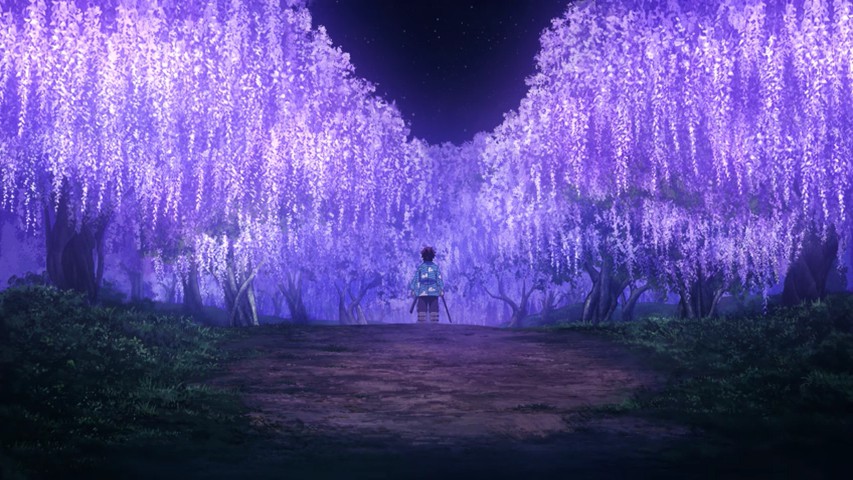 A wide view of the setting and the character, focusing more on the detail of the setting then the character. The character is barely visible.
 Long shot (LS)

A full body shot also clear shot of the setting but is focused more on the character.
Medium long shot (MLS)
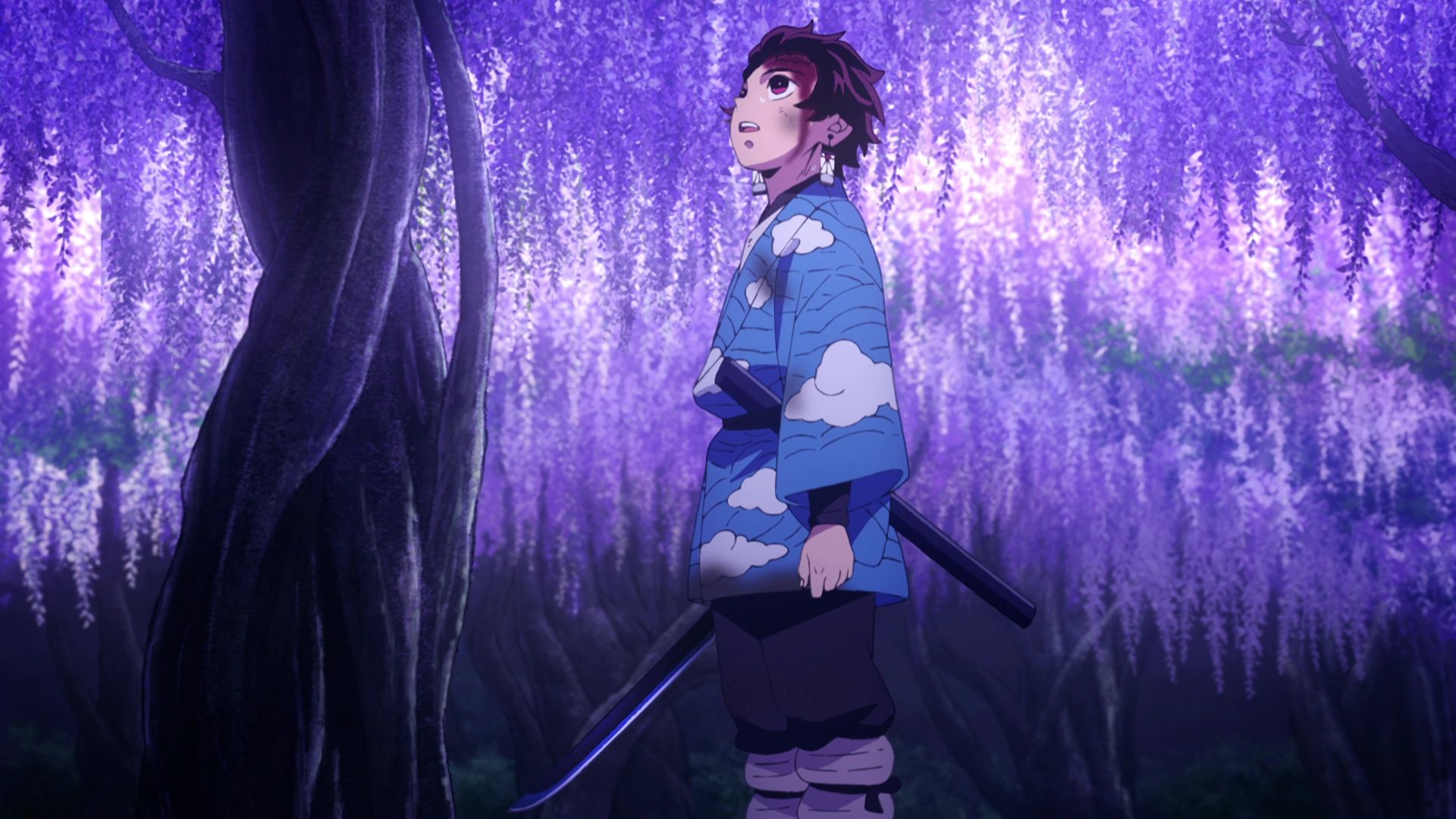
A shot from the knee upwards, focused more on the character in more detail then the setting, can still be seen.

A shot from the waist up, focused more on the character detail and their expressions.
Medium close up (MCU)
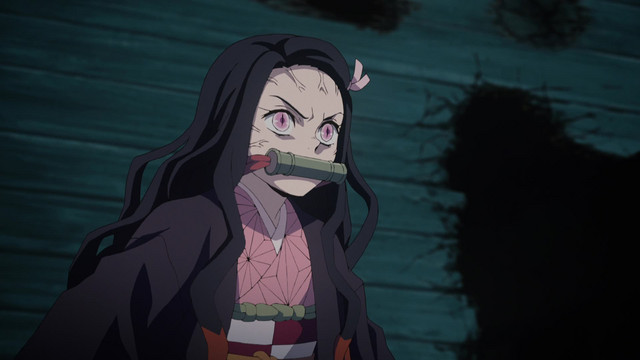
A shot from the chest up, focused on the character's detail and expressions in more detail.

Close up (CU)
A shot from the shoulders upwards, focused more on the characters face and emotion in greater detail.

Big close up (BCU)

Just a shot of the face, looking at the characters emotion and expression in much greater detail.

A shot of just the eye, can be used to hide things and information happening around the character.
Camera angles
 High angle
A shot from above the character, usually used when the character is being attacked - from the villain's perspective.
 Low angle
looking up to the character or from the characters perspective looking up at someone.
 Eye level
the camera is level with the character's eyes or the character looking at someone or something at their eye level.
 Oblique / Canted angle

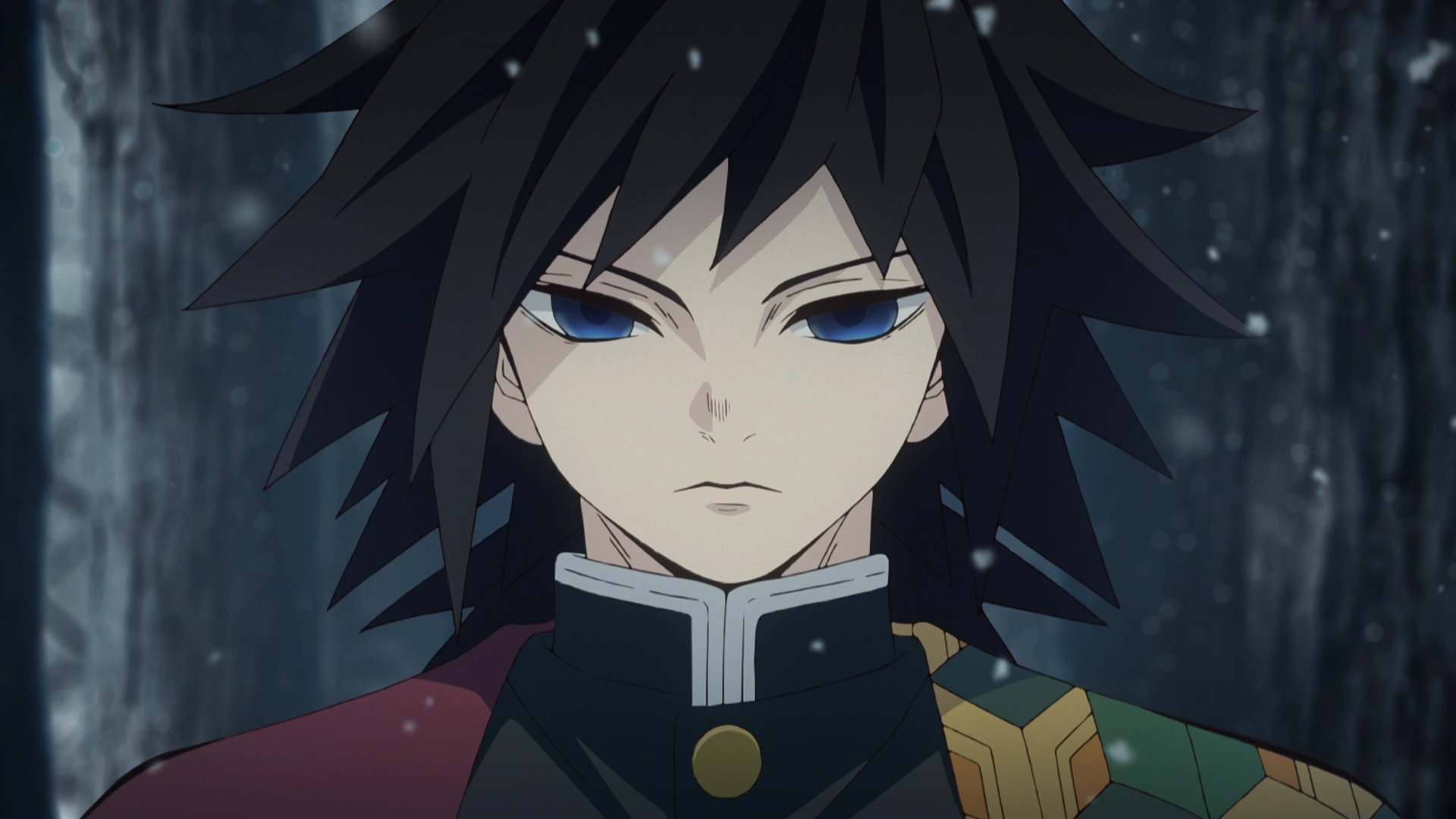
the camera is pointing at the character slanted, usually to make the world look distorted or to show there is something wrong with the character.
Analysing
(first 1:00 minuet of the clip) The big close up and close up are used often in this clip of Tanjiro's face to show his determination to save his sister and defeat the demon while he is fighting. There are a few medium long shots and long shot to show that he is cutting all the demons strings making the demon weaker, putting more confidence on the viewer that Tanjiro will win.
Comments
Post a Comment